Holm Cultram Abbey C of E Primary School
Outdoor Play and Learning (OPAL)
"OPAL is one of the most impactful transformations on children's lives that we've seen in the UK in the last 10 years – not just in schools, not just in education, but just as a way of making a positive difference in children's lives...I'm in awe, actually." - Tim Gill former Director of Play England
What is OPAL?
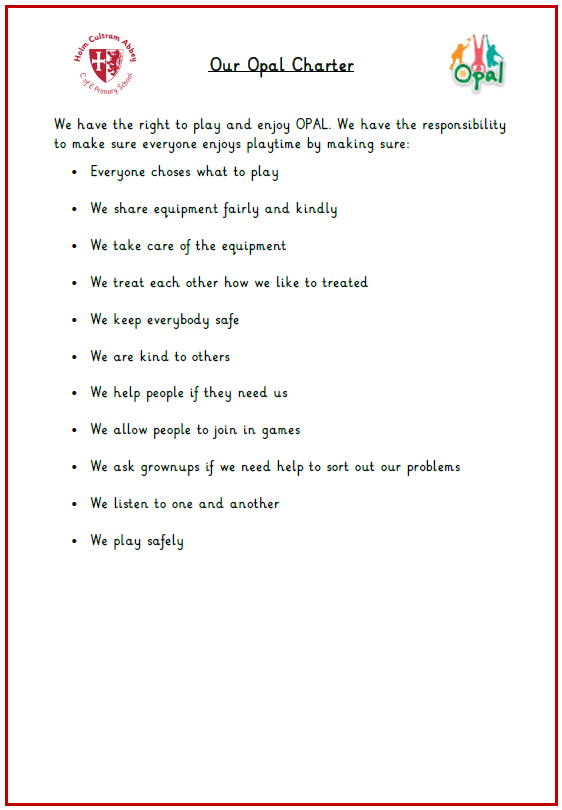
Research has shown that children spend 20% of their time in school playing. To ensure that this time and our fantastic school grounds are used to their full potential, our school has adopted an OPAL (Outdoor Play and Learning) philosophy that allows the children freedom to explore play in their own imaginative ways, often using found and gathered resources in the natural outdoor environment.
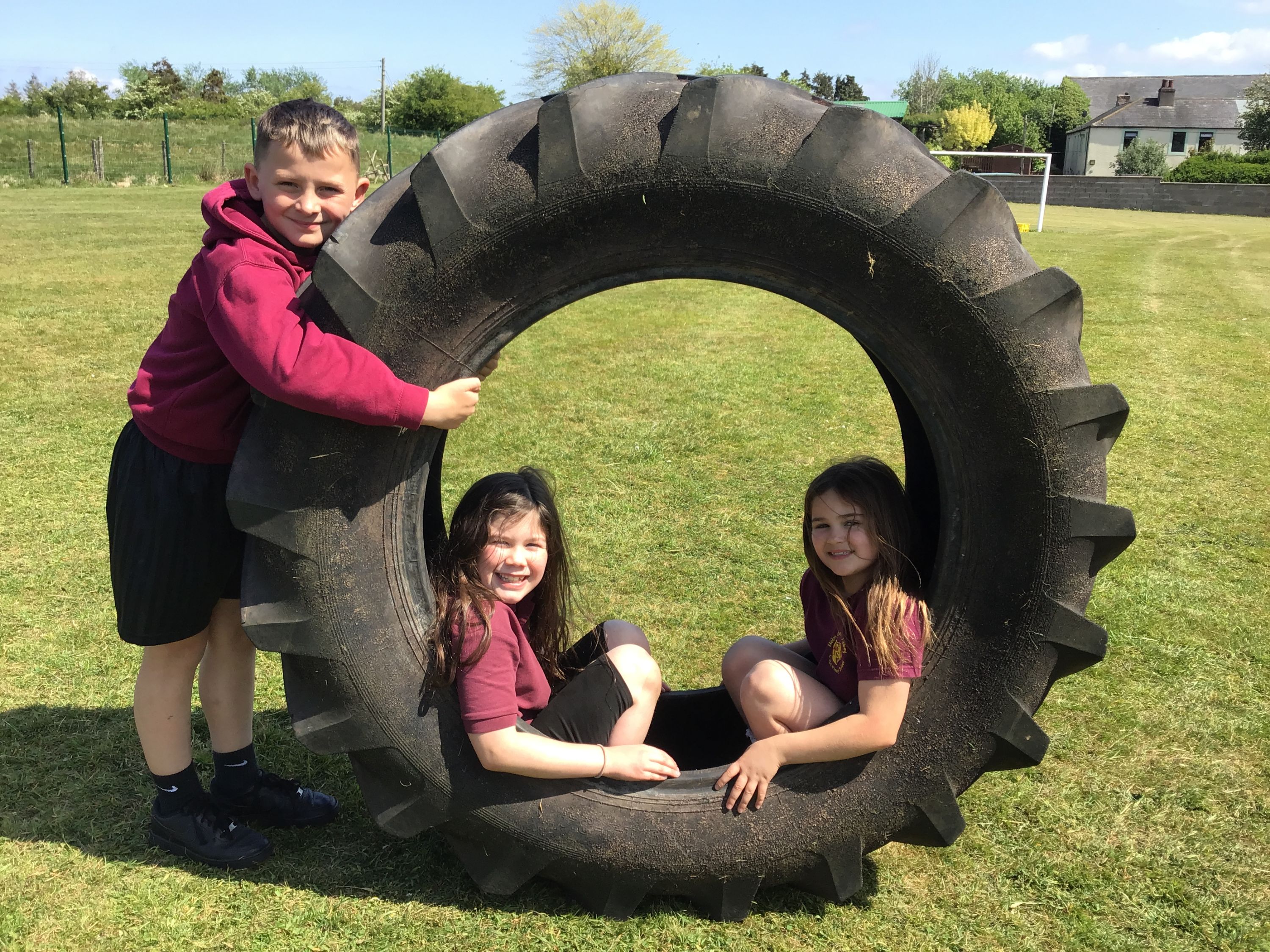
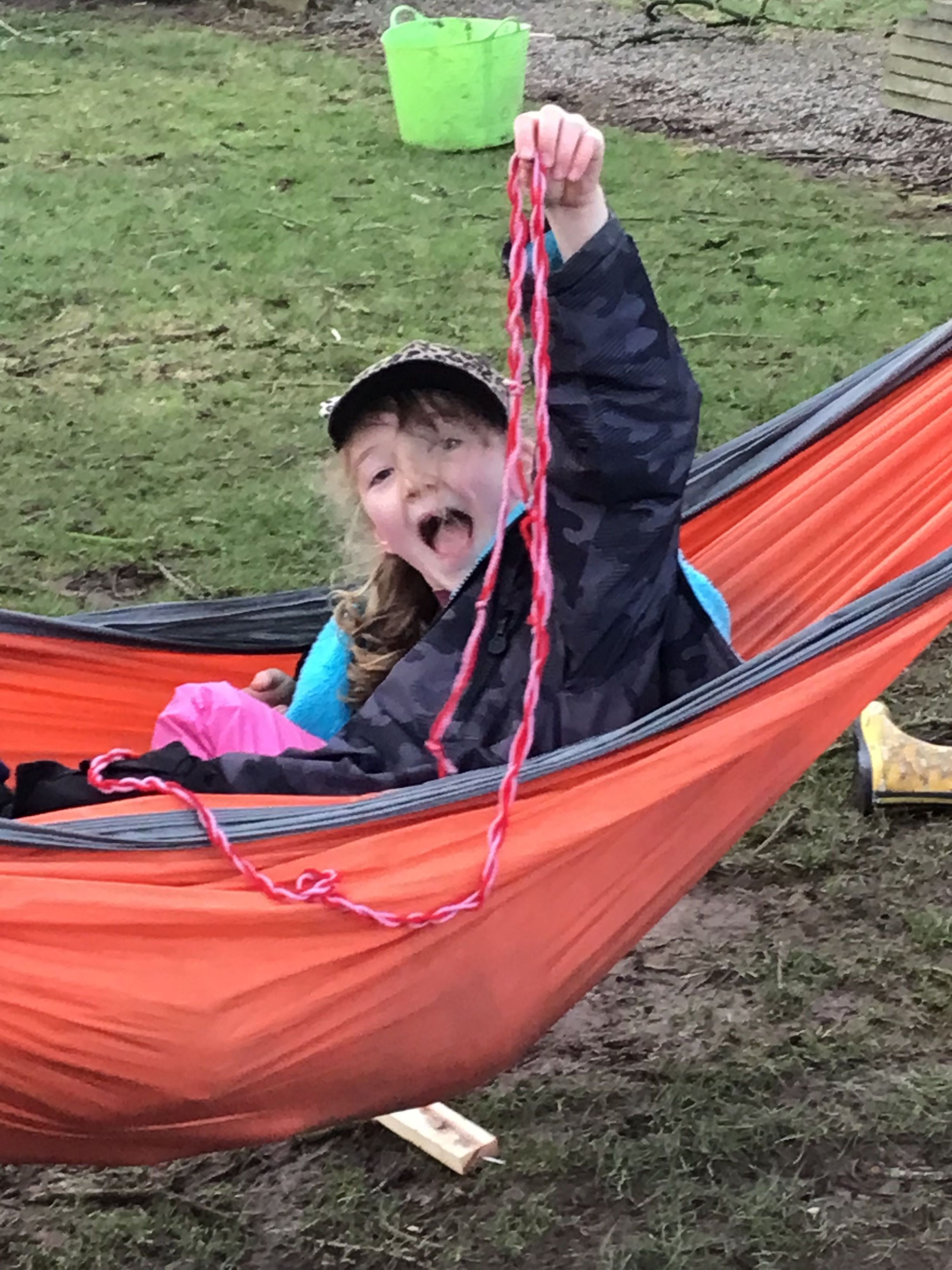
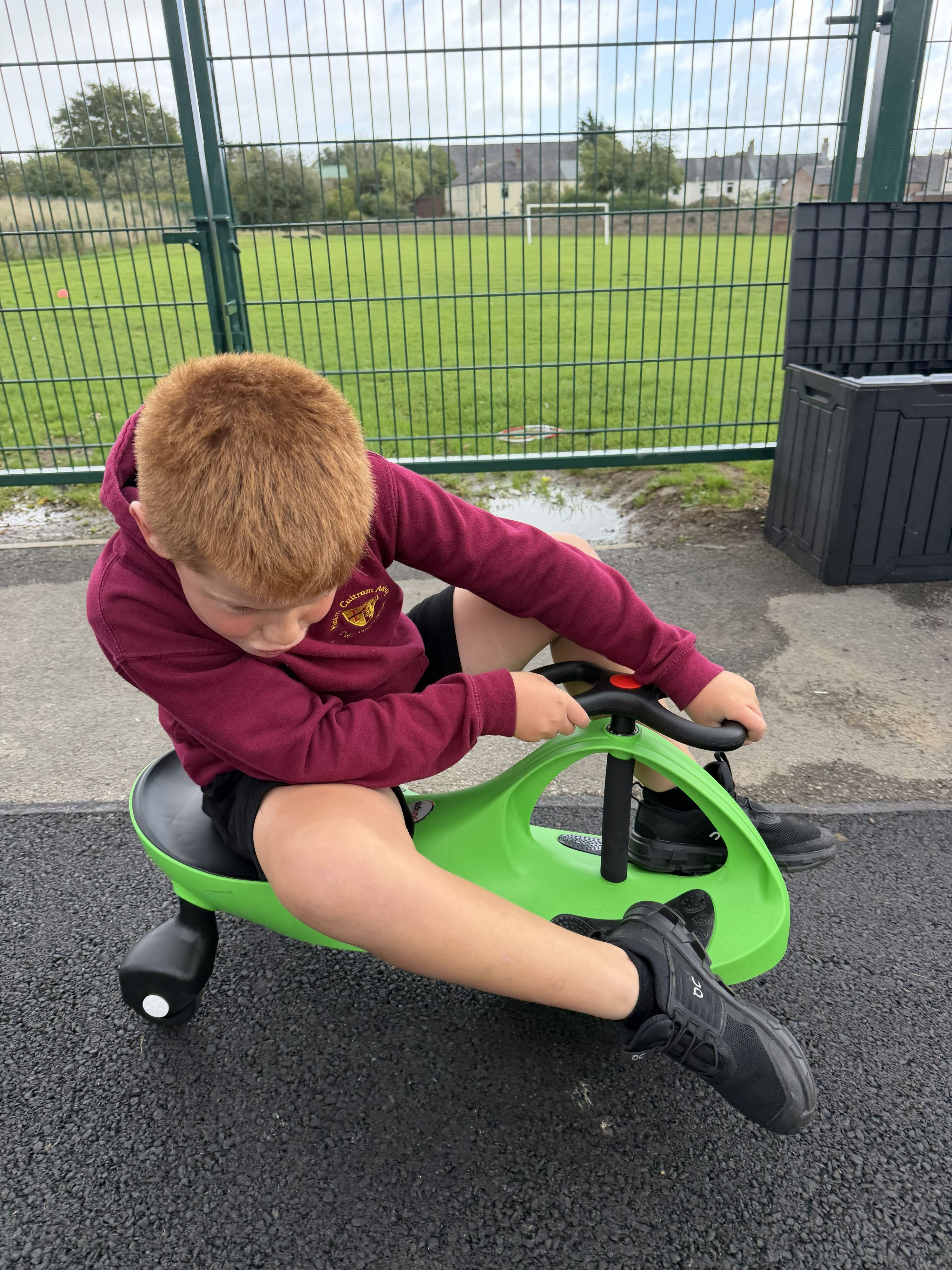
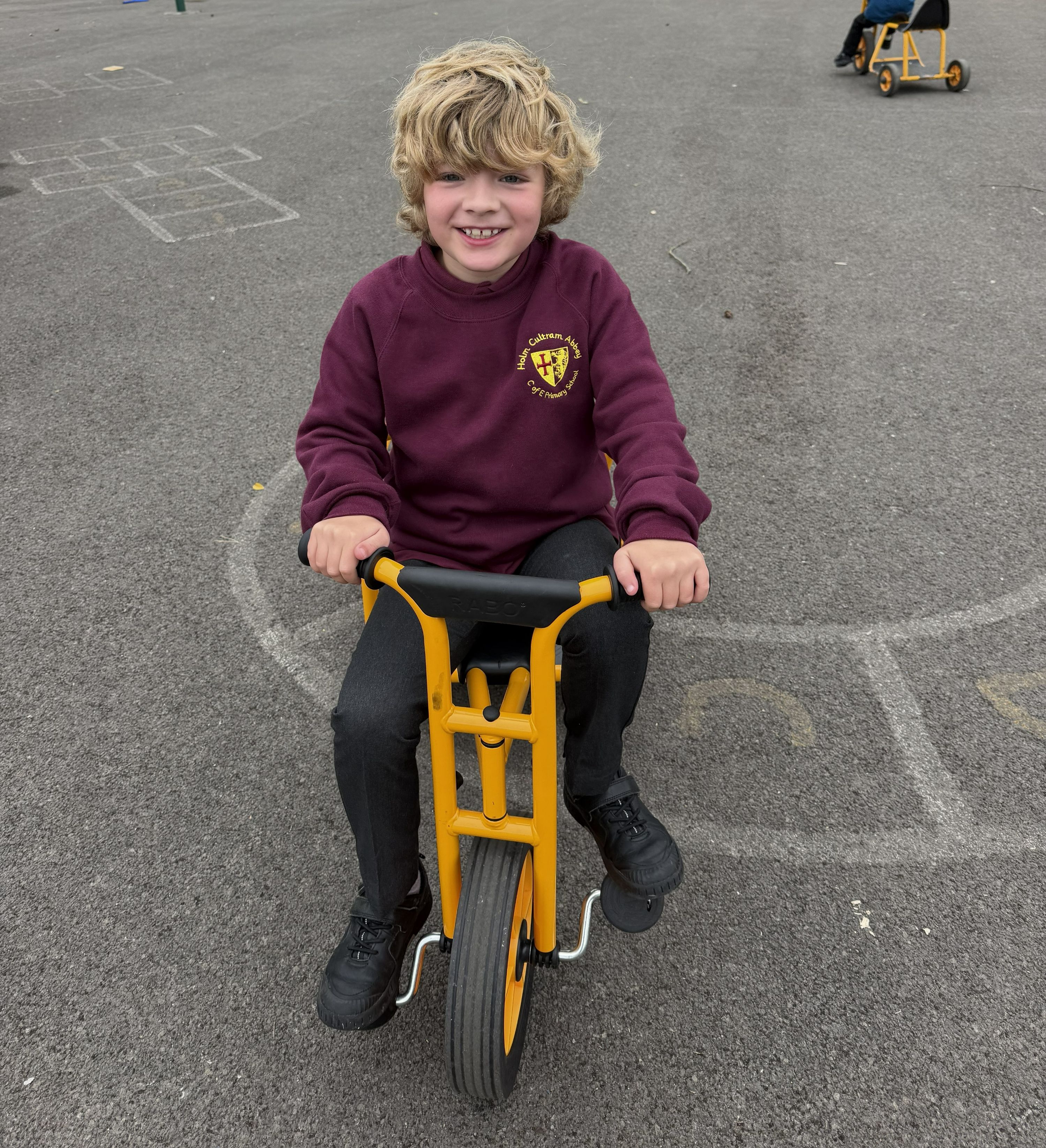
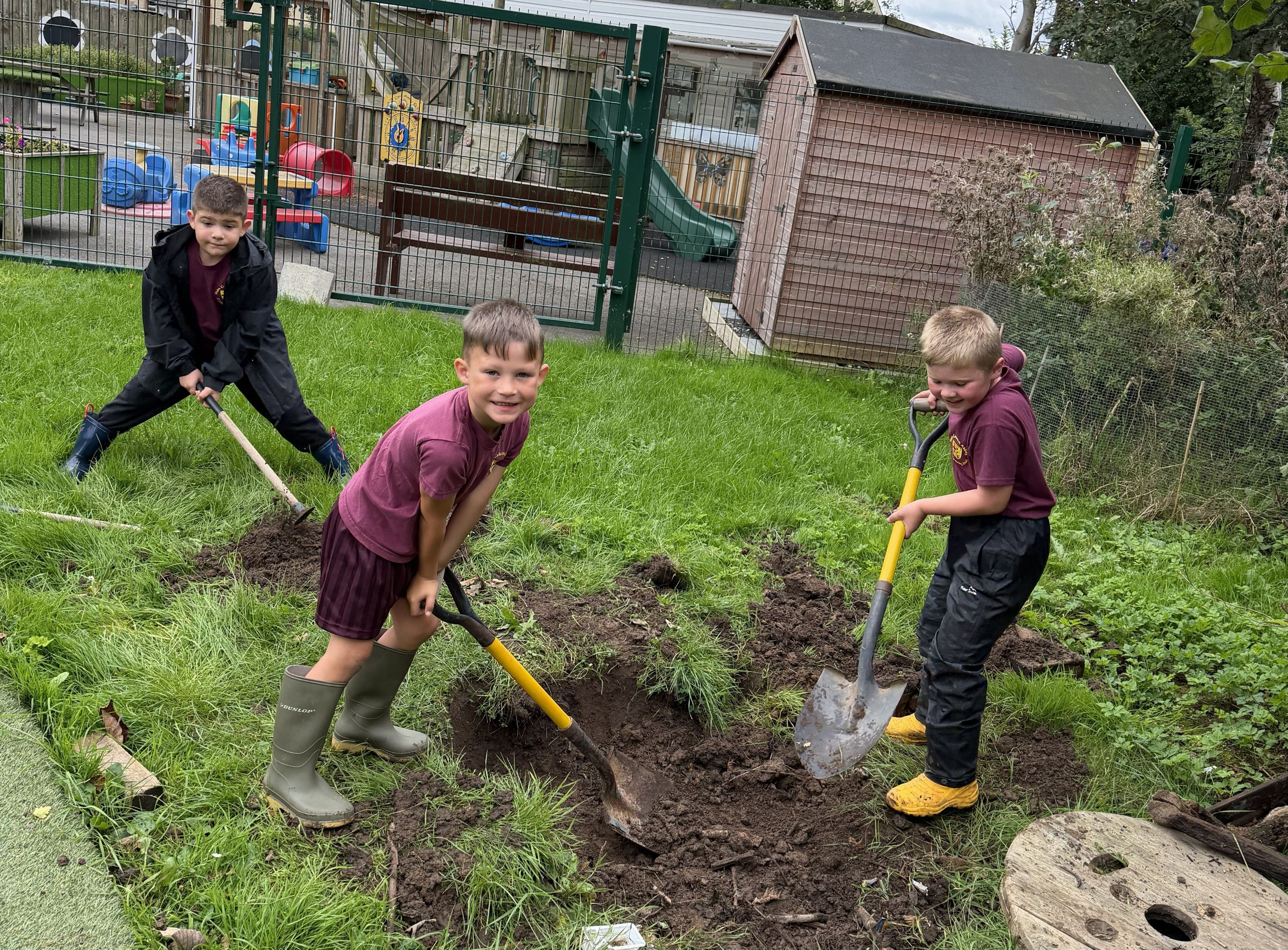
An OPAL approach promotes a more inclusive play environment in which all children can feel comfortable expressing themselves. Our OPAL journey began in September 2024 and since this time, we have begun to transform our outdoor environment. Our children love the outdoor opportunities that OPAL offers, with so much more for them to do, no matter the weather! From playing with tyres and digging in the mud pit, to enjoying imaginative play in the small world area or cooking up a storm in the mud kitchen, OPAL offers an exciting alternative to the standard playground activities.
Through this approach to play, children are not only more active at lunch or break times, but they also have the opportunity to further develop life skills such as cooperation, team work and problem-solving. They are becoming motivated and enthusiastic builders, engineers, explorers and designers.
One of the reasons we chose to participate in this amazing programme is that childhood has changed. Many children no longer get their play needs met outside of school.
- Average screen time per day is six hours.
- Average outdoor play time per week is five hours.
- The percentage of UK children who only play outdoors with other children at school is 56%.
There are many proven benefits for schools that carry out the OPAL Primary Programme. They usually include: more enjoyment of school, less teaching time lost to disputes between children, fewer accidents and greatly improved behaviour.
We are continuing to work hard to develop our outdoor areas and want to thank our wonderful families for their contributions of resources and loose parts. It is greatly appreciated by both our children and staff.
Have a look at some of the amazing areas we have developed and the fun we have been having so far!
The Benefits of OPAL at Holm Cultram Abbey CE Primary School
By embracing OPAL, we are transforming playtimes into rich, engaging experiences that support our pupils in numerous ways:
- Physical Development – Outdoor play encourages movement, coordination, and strength-building, helping children to stay active and healthy.
- Social Skills – Playtime provides opportunities for teamwork, cooperation, and friendship-building, fostering a sense of community.
- Creativity and Imagination – Open-ended play encourages problem-solving, innovation, and imaginative storytelling.
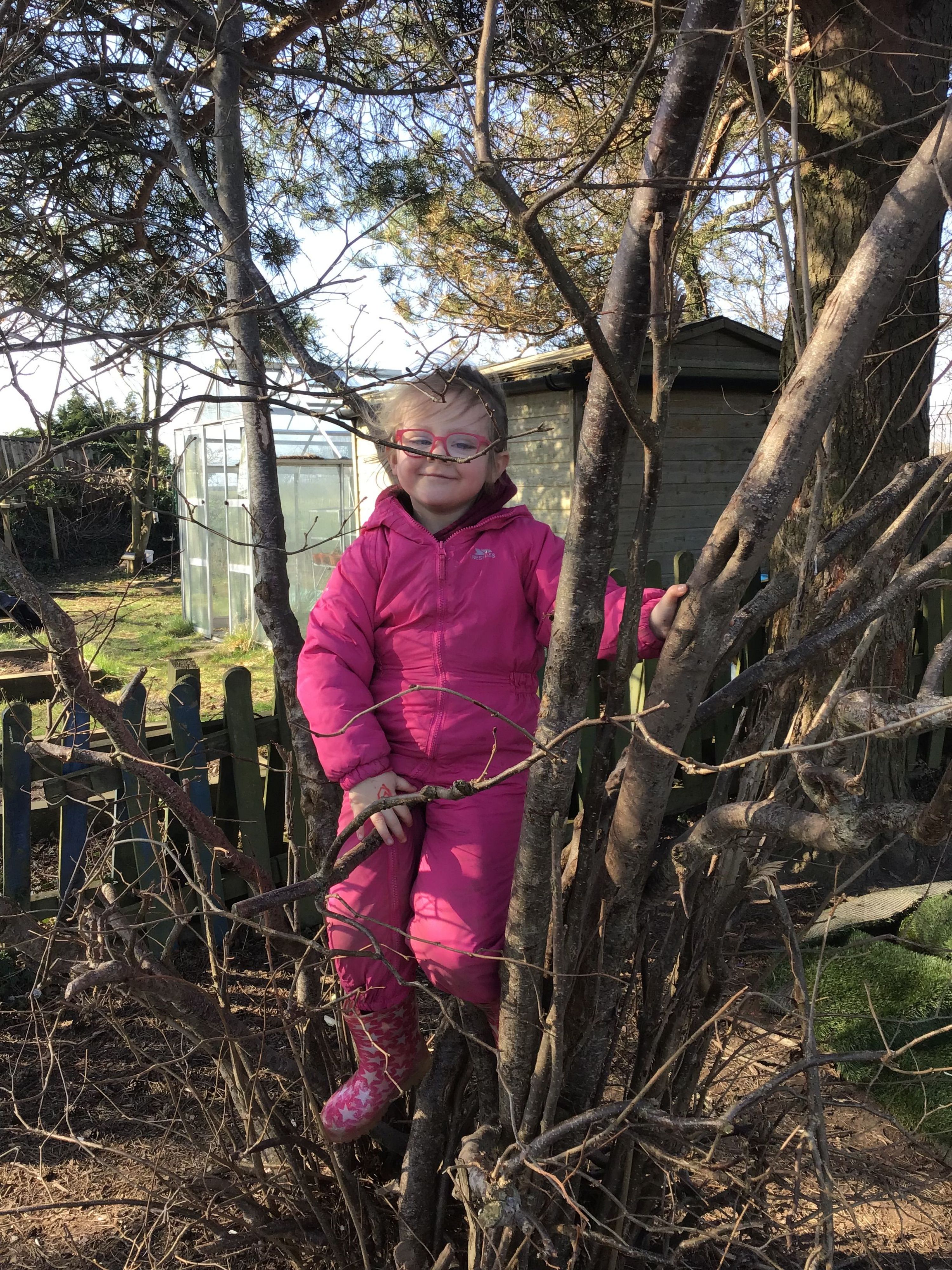
- Resilience and Risk-Taking – Children learn to assess risks, develop confidence, and build resilience through their play experiences.
- Happiness and Well-Being – Outdoor play is proven to improve mood, reduce stress, and enhance overall well-being, making our school a happier place for everyone.

Play is Essential
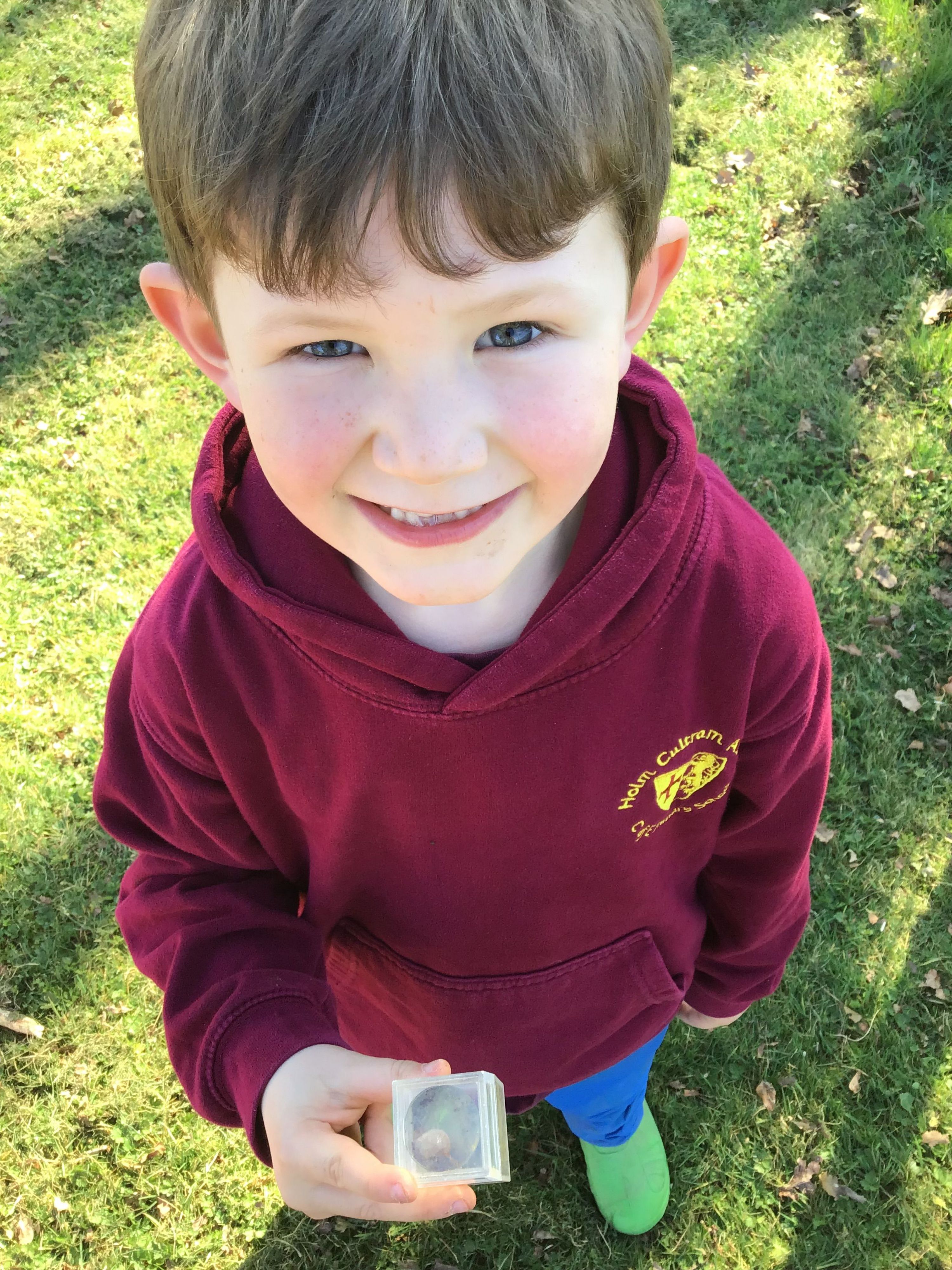
Play is not messing about. It is the process evolution has come up with to enable children to learn all the things that cannot be taught, while also having so much fun. There are certain things children must have in order to be able to play.
These include:
- Having clothes that they can play in
- Having things to play with
- Having a certain amount of freedom
We will endeavour to use more of the grounds, for most of the year. Your children may get a bit messier, be exposed to more challenges and have greater freedoms to play where, with whom and how they like. The experiences we are fostering are essential for children’s physical and mental wellbeing and are in line with all current good practice advice on health and safety, wellbeing and development.

Where to find out more...
Follow the following links to find out more about the OPAL philosophy and see why we think it's the best thing for our children.
https://outdoorplayandlearning.org.uk/
OPAL play in Cumbria